
IWD 2026 Giving to Gain: Why Trinidad and Tobago Needs a Menstrual Equity Act🩸
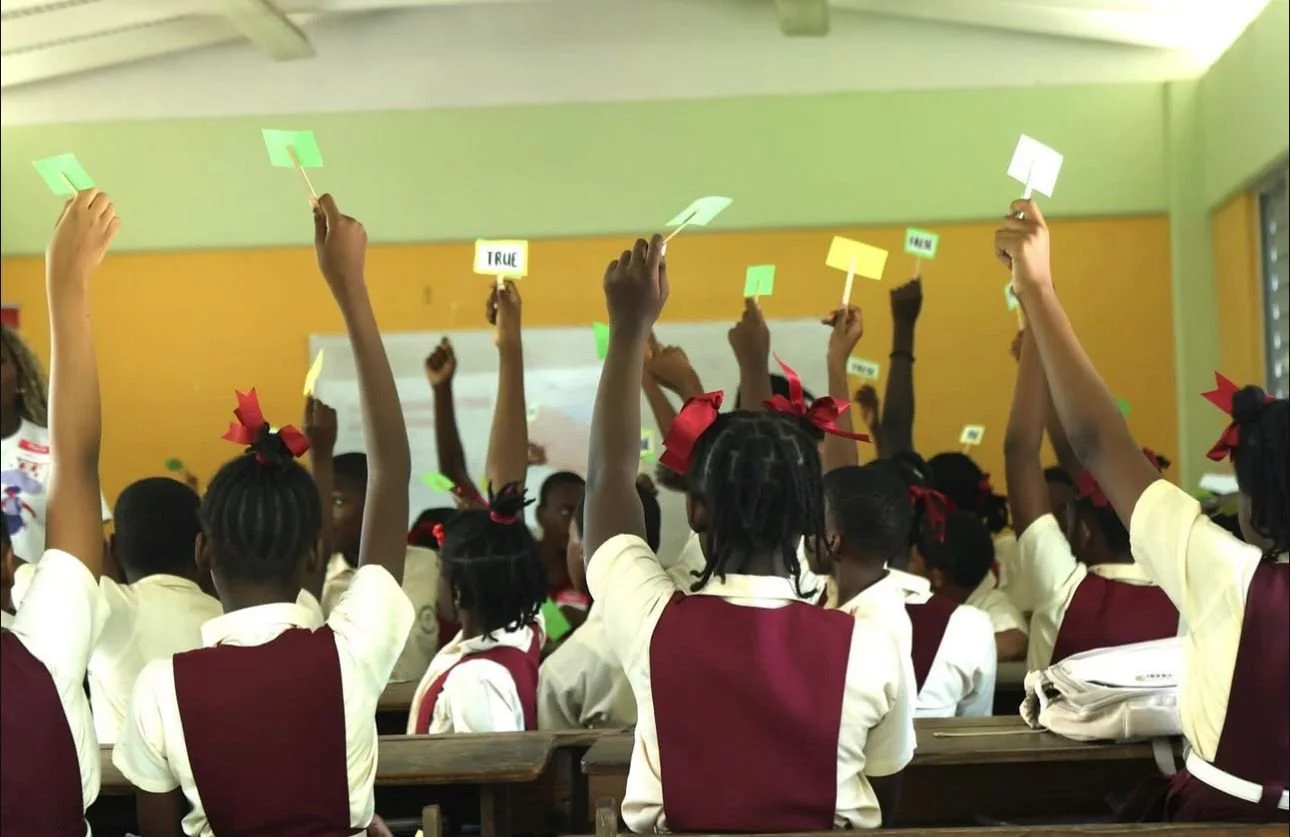
Students participating in our Myths vs. Realities Activity as Part of the ‘Break the Stigma: Pass the Pad’ Safe Cycle School Tour
A teenage student sits in a classroom in Trinidad and Tobago, quietly hoping their period does not start before the school day ends. In her school bag there are no pads, no tampons. Not enough money to buy any and of course none accessible at the school. The reality of the student’s situation produces extreme shame and discomfort…dirty socks may be their next thought.
For many menstruating people across the country, this moment is not hypothetical. It is something they navigate every month. Periods are often treated as private or even taboo matters, something to be managed quietly and without discussion. But the reality is that menstruation is deeply connected to gender equality, dignity, and sexual and reproductive health and rights.
When people cannot afford menstrual products, lack safe facilities to manage their periods, or feel too ashamed to ask for help, the consequences ripple outward. Students miss school. Workers lose hours of income. Young women and girls grow up without the knowledge they need to understand their bodies.These experiences are not isolated inconveniences. They reflect systemic gaps in policy, public health, and gender equality in our twin nation.
As the world marks International Women’s Day 2026 under the theme “Give to Gain,” Trinidad and Tobago has an opportunity to address one of the most overlooked barriers to gender justice: menstrual inequity.
The reality of period poverty
Over the past six years, Feminitt Caribbean has spearheaded advocacy, research and activism around period poverty and menstrual equity in Trinidad and Tobago. Feminitt Caribbean’s Safe Cycle Report offers important insight into how menstruation is experienced across Trinidad and Tobago.
🩸Our research found that 51.5% of our respondents reported that menstrual products were not affordable, while only 8.6% said they found them affordable. In addition, 28.8% reported personally struggling to afford menstrual products, and nearly one in five respondents reported missing school, work, or events due to lack of access to menstrual supplies.
These findings make one thing clear: period poverty exists in Trinidad and Tobago, and it carries real consequences for education, economic participation, and wellbeing. Our political leaders cannot continue to pretend it is not a critical matter to address. For many households, the monthly cost of menstrual products, roughly TT$100 per person – adds another financial burden in already strained budgets.
What should be a normal biological process instead becomes a barrier to quality life, education, economic opportunities and dignity. Communities are stepping in. In the absence of national policy responses, communities have stepped in to fill the gap.
🩸Through its Safe Cycle programme, Feminitt Caribbean has established Care Banks across Trinidad and Tobago, distributing menstrual products and essential care supplies to people and families who need them most. These care banks have supported students, families, and vulnerable communities, ensuring that people can access menstrual products without stigma or judgement.
While the impact of Care Banks has been powerful, they were never intended to be the long-term solution. Access to menstrual products should not depend on temporary relief efforts or community charity. Menstrual health is a matter of public health, dignity, and human rights. The policy solutions already exist. Through our 2020 Safe Cycle report, we have set out clear recommendations. Even our Right Way Toolkit which amplifies sexual and reproductive justice in alignment to our national sexual health policy outlines practical steps that policymakers can take to address menstrual inequity in Trinidad and Tobago.
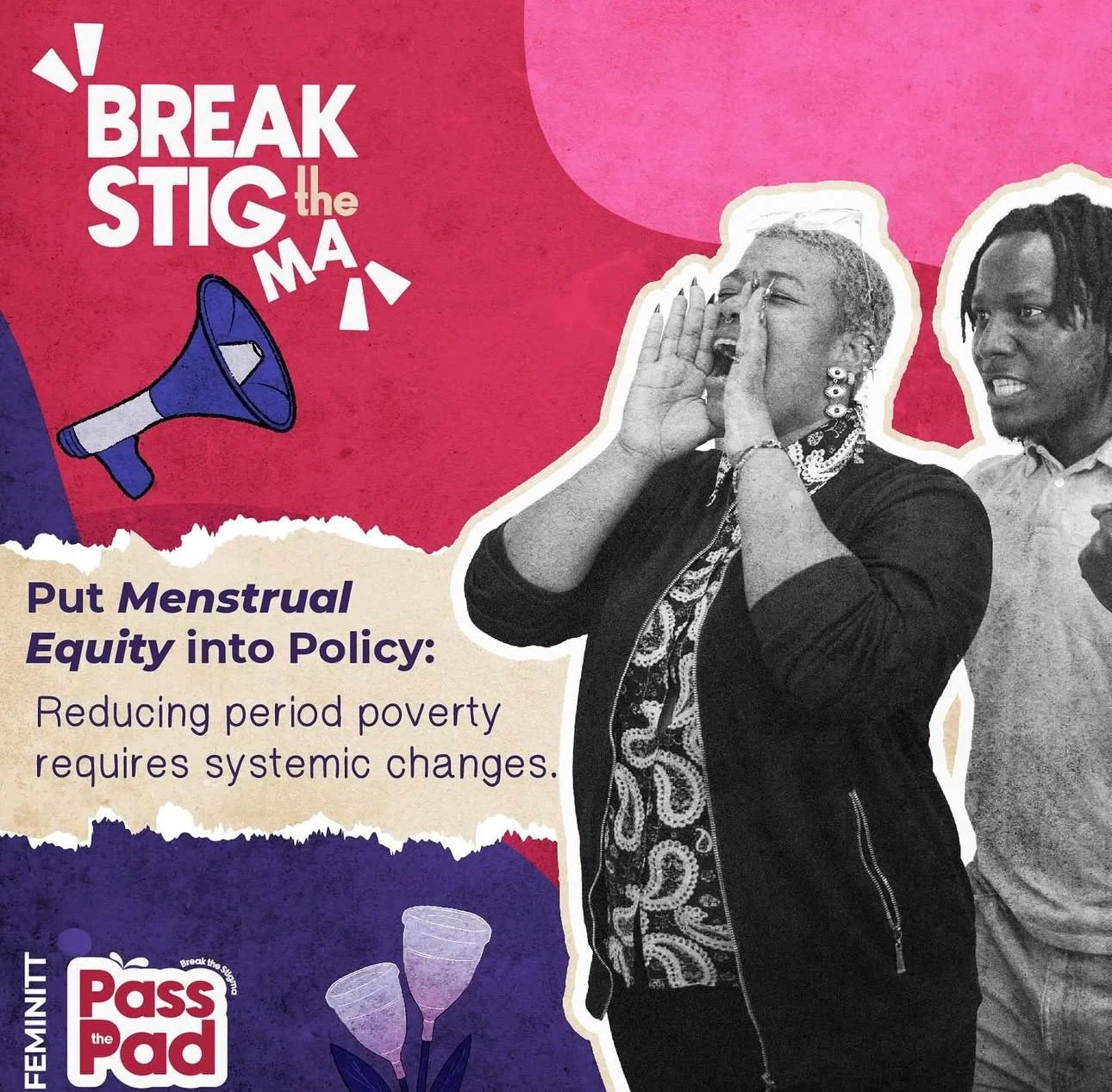
These include expanding access to menstrual products in schools and public institutions, strengthening menstrual health education, and challenging the stigma that continues to silence conversations about menstruation. A critical step forward would be the formation and introduction of a Menstrual Equity Act with intentional collaboration with grassroot organisations co-leading the work with impacted communities. Such legislation could ensure menstrual products are available in schools, shelters, and public institutions while embedding menstrual health within broader frameworks around education, health, and gender equality.
More importantly, it would signal that menstruation is not a private inconvenience to be managed alone, it is a public policy issue that deserves investment and leadership.
Giving to gain
The theme of International Women’s Day this year, “Give to Gain”, reminds us that equality requires deliberate investment. When governments invest in menstrual equity, the gains ripple across society.
Girls gain uninterrupted access to education.
Women gain dignity and security in the workplace.
The economic realities of many become safer.
Harmful cultural norms and myths are debunked.
Communities gain healthier and more inclusive systems.
🩸Menstrual equity is not simply about products. It is about bodily autonomy, dignity, and justice. Trinidad and Tobago already has the research, the community solutions, and the policy roadmap. What remains unclear and unfortunate is the political will to act by our leaders.
In a society that claims to value equality, no one should have to miss school, miss work, or lose their dignity simply because they menstruate. It is time for Trinidad and Tobago to move from care to policy, listen to and serve those most impacted, meaningfully partner with grassroots organizations and pass a Menstrual Equity Act that is rooted in care, dignity and economic justice.
To support the work of Feminitt Caribbean, we can be contacted via email cdirectors@feminittcaribbean.org.