
Reclaiming Rest is Reclaiming Resistance: For a Future That Endures
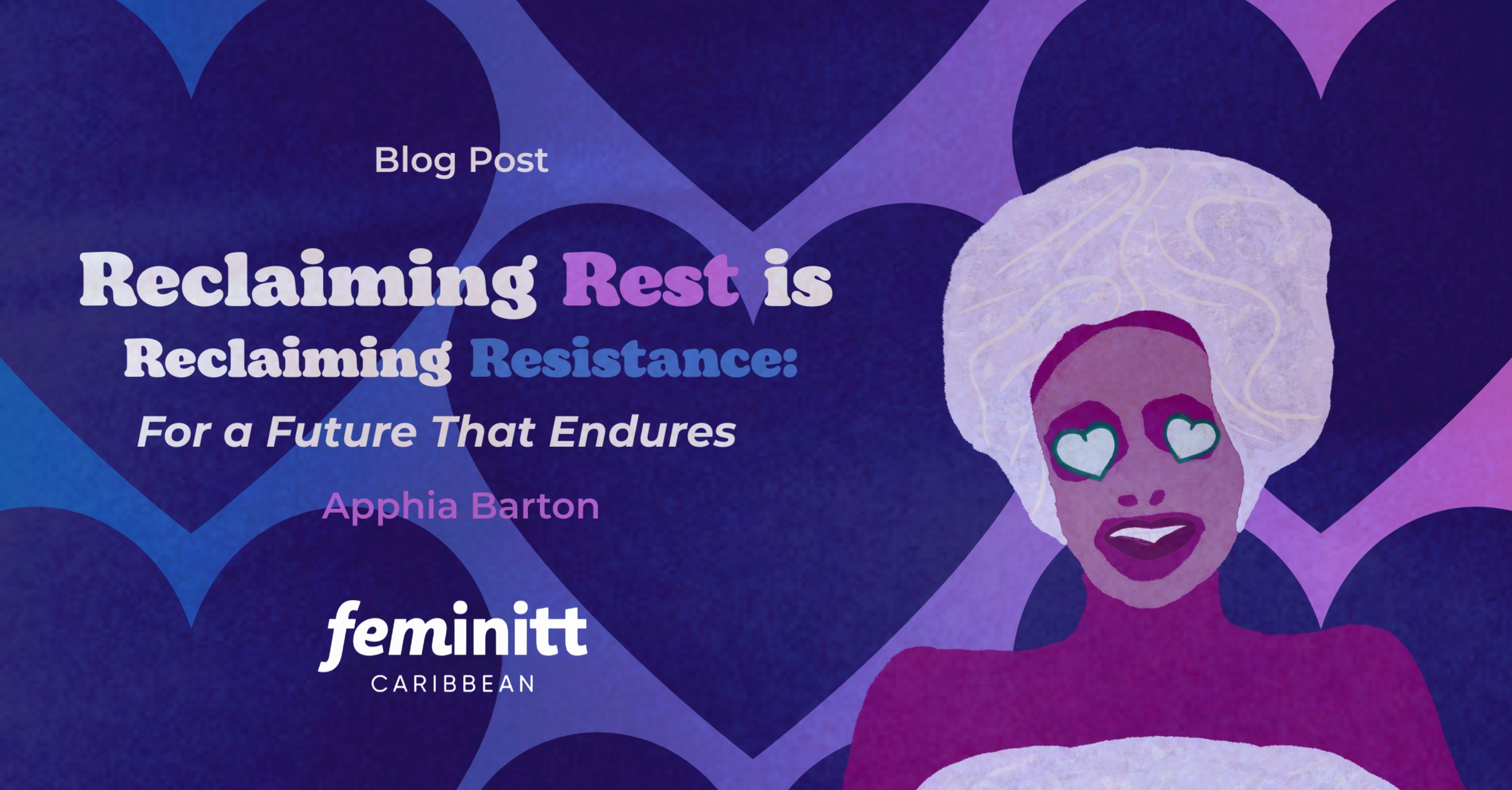
We are organising in a historical moment that feels unrelenting, surreal, and often indistinguishable from speculative horror. Through social media and global news, we are exposed hour by hour to violence, injustice, climate catastrophe, and political regression far beyond our immediate geographies. For activists whose politics are rooted in care, rest can feel like abandonment. Logging off can feel like moral failure. Yet, no nervous system was designed to metabolise this volume of grief indefinitely.
In recent years, “self-care” has been diluted into an aesthetic of candles, baths, and consumption; seemingly stripped of its political roots. This version of self-care however is accessible primarily to those with disposable income, time, and privacy
Audre Lorde’s reminder that self-care is “an act of political warfare” was never about indulgence. It was about something radical; survival in systems that were not designed for Black, queer, disabled, or poor bodies to endure indefinitely.❤️
Burnout has become one of the quiet languages of modern activism. It shows up as exhaustion mistaken for commitment, anxiety reframed as urgency, and guilt masquerading as dedication. In activist spaces, particularly those led by women, queer people, migrants, and racialised communities, rest is often treated as a luxury, a reward, or worse, a betrayal of the cause.
But this framing is neither neutral nor accidental. It is political.
When creating sustainable feminist futures in the Caribbean, we must confront an uncomfortable truth: movements do not collapse only because of external opposition. They fracture under the weight of unexamined martyrdom, uneven labour, and the expectation that the most marginalised will continue to give endlessly of themselves.
Activist burnout is frequently individualised. When someone steps back, we speak of “capacity,” “resilience,” or “coping better next time.” Rarely do we interrogate the systems that normalise overwork, urgency, and self-sacrifice as virtuous.
For Caribbean activists, this burden is compounded. Many of us organise while juggling precarious employment, caregiving responsibilities, financial instability, and the mental toll of living in societies where justice often feels slow and uneven. The expectation to remain perpetually available, emotionally responsive, and politically engaged mirrors the same extractive logics feminism seeks to dismantle. Burnout, then, is not evidence of weakness. It is evidence of sustained exposure to systems that demand output without adequate care, and support.
When self-care is framed solely as an individual responsibility, it obscures collective obligations. It allows movements to sidestep difficult questions about workload distribution, leadership accountability, and whose labour is consistently taken for granted.
❤️ Rest as resistance is a refusal to accept that exhaustion is the price of commitment. It is the refusal to reproduce the same hierarchies inside our movements that we contest outside them.
From an intersectional lens, prioritizing rest acknowledges that people experience activism differently depending on race, class, disability, gender identity, and migration status. A movement that does not make room for rest will inevitably privilege those with the most social and economic insulation and silence those without it.
Rest is how we ensure that feminist work remains transformative.
Radical, collective self-care means normalising boundaries rather than treating them as a lack of commitment. Designing movements with rotation, succession, and ‘pause’ built in, instead of relying on a small group of overextended organisers. Valuing invisible labour such as emotional support, coordination, and follow-ups as real work, not background noise, and creating cultures where rest is modelled by leadership, not quietly practised in secret.
It also means recognising when stepping back is an act of responsibility, not abandonment.
If our organizations and activist organizing for a future that endures is to remain a meaningful political force, we cannot replicate the grind culture of the systems we critique.
Transforming futures requires stamina. We will not survive in environments of chronic depletion. Rest is what allows resistance to continue.
The most radical movements are not those that burn the brightest and disappear but those that endure, adapt, and make room for the people who carry them forward.❤️